What Clinical Thinking Actually Means for Massage Therapists
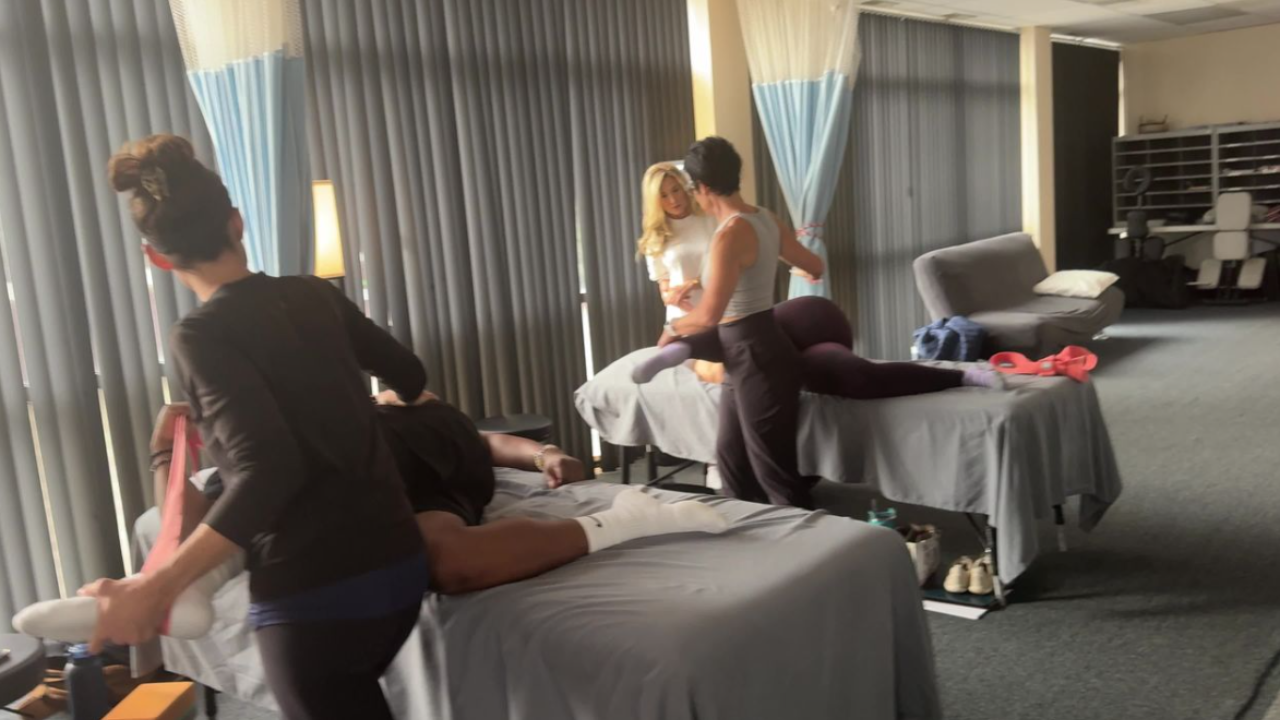
There is a version of a massage session that feels good and a version that actually changes something. Both might use the same techniques. Both might last the same amount of time. The client leaves feeling better in either case. But one of them was guided by intention and the other was guided by habit.
The difference is clinical thinking.
Clinical thinking is one of those phrases that sounds like it belongs in a hospital or a medical school, not in a massage studio. But for bodywork professionals, it is one of the most practical and career-defining skills you can develop. And most therapists are never formally taught what it actually means.
It Is Not About Diagnosis
The first thing to clear up: clinical thinking for massage therapists is not about diagnosing conditions or stepping outside your scope of practice. It is about bringing a deliberate reasoning process to the decisions you make inside every session.
Why are you working this area? What are you expecting to find? What does the tissue response tell you, and how does that change what you do next? What is the goal of this session—not just today, but as part of the larger picture of this client's well-being?
These are clinical questions. Answering them, even informally and in real time, is clinical thinking.
The Alternative Is Reacting
When clinical thinking isn't present, what fills the space is reaction. The client mentions their shoulder, so you work their shoulder. You find tension in the upper back, so you stay there until it releases. You move through areas based on what feels tense rather than what fits a treatment plan.
This isn't negligent; most reactive sessions still produce some relief and some value. But reactive sessions have a ceiling. They address what's obvious rather than what's meaningful. They respond to the loudest signal rather than the most important one. Over time, clients who only receive reactive treatment tend to plateau which they may or may not attribute to their therapist.
Clinical thinking raises the ceiling.
What It Looks Like in Practice
Clinical thinking doesn't require a formal framework or a lengthy intake process, though both can help. At its most practical, it shows up as a set of habits:
-
Assessing before you treat. Taking even a brief moment to observe posture, movement patterns, or tissue quality before you decide where to begin.
-
Having a session intention. Know what you are trying to accomplish in this session—not just "relax the client," but a specific, measurable outcome you are working toward.
-
Adjusting based on what you find. Letting the tissue response inform your decisions, rather than executing a predetermined routine regardless of what you encounter.
-
Reflecting after the session. Asking yourself what you found, what you did, and what you would do differently next time.
None of these require extra time. They require a shift in attention.
Why This Makes You a Better and More Sustainable Therapist
Therapists who think clinically tend to work more efficiently. When you have a session intention and a clear plan for getting there, you stop spending physical and mental energy on the logistics of the session while you're in the middle of it. You make fewer unnecessary movements. You spend time where it matters most.
This is the connection between clinical thinking and career longevity. A therapist who is clear about what they are doing and why is not just more effective, they are also less depleted at the end of the day. Structure reduces effort. Intention reduces waste.
And the clients feel it. Not necessarily in a way they can articulate, but in results. In progress over time. In the feeling that their sessions are building toward something rather than simply maintaining a baseline.
This Is a Skill You Can Develop
Clinical thinking isn't something you either have or you don't. It is a skill that develops with practice, with good training, and with the habit of asking better questions before, during, and after every session you deliver.
Therapists who are still doing this work after twenty years—those who remain energized, continue producing excellent results, and keep growing their skills—are almost universally the ones who never stopped thinking carefully about what they were doing and why.
That's not a personality trait. It's a practice.
Ready to develop your clinical thinking skills?
The Stretch Lady Method™ trains massage therapists and bodywork professionals to work with more structure, more intention, and more clinical clarity. Explore in-person and online training options at The Stretch Lady.
You don’t have to figure this out alone.
Start with Aly’s free guide: 5 Steps to Building a Sustainable Practice.
Looking for a more sustainable way to work?
Join Pro Insider Weekly for reflections, education, and tools designed to support long-term careers in bodywork..
We hate SPAM. We will never sell your information, for any reason.