Why the Most Successful Massage Therapists Don't Grow Alone
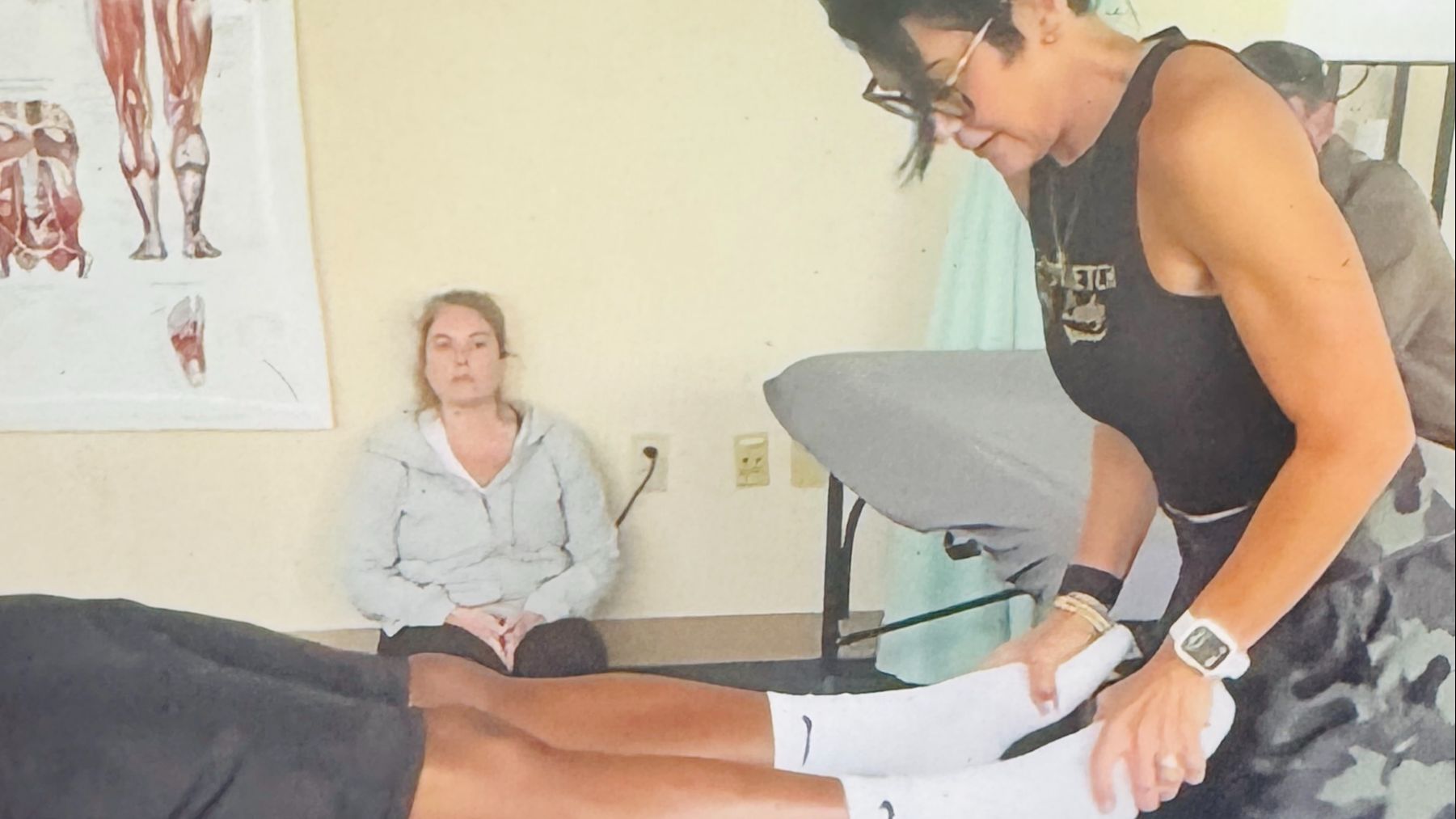
If you look closely at the therapists who have built careers they're genuinely proud of — who are still energized by the work at year ten, still improving, still producing excellent results — one pattern shows up consistently.
None of them figured it out entirely on their own.
That might sound counterintuitive in a profession where most of the work happens behind closed doors, one practitioner and one client at a time. But professional isolation and personal effort are two different things. The therapists who grow the most aren't necessarily the ones who work the hardest. They're the ones who found the right relationships to grow alongside.
The Cost of Professional Isolation
Most massage therapists work in relative isolation professionally. Not socially — many have warm relationships with clients, colleagues, and their communities. But in terms of their clinical development, they are largely working alone.
No one is watching their sessions. No one is giving them feedback on their clinical reasoning. No one is identifying the gap between where their practice is and where it could be. They are making their own assessments, delivering their own work, and evaluating their own results — with no outside reference point.
This works for a while. In the early years, the learning curve is steep enough that even isolated practice produces significant growth. But as the years pass and the work becomes more routine, the absence of outside perspective starts to cost something.
The habits that developed in year one are still running in year five — including the ones that aren't serving the therapist or their clients well. The blind spots that were always there never get surfaced because there's no one positioned to see them. The ceiling gets lower, quietly, without announcement.
What the Right Relationship Changes
The right mentoring relationship — with someone who understands this work at a deep level and can see it clearly from the outside — does something that no amount of solo practice can replicate.
It surfaces what you can't see. Every practitioner has blind spots. Clinical habits that feel right from the inside but look different from the outside. Patterns in their work that are limiting their results without their awareness. A mentor who knows what to look for can identify these in a fraction of the time it would take a therapist to discover them independently — if they ever did.
It holds you to a higher standard. There is a version of your practice you can maintain on your own and a version you can maintain when someone who knows better is paying attention. Those two versions are rarely the same. The right relationship raises the floor of what you're willing to accept from yourself.
It accelerates growth in ways that are genuinely hard to replicate. Therapists who receive guided feedback on their clinical reasoning and session structure develop faster — not just in skill, but in confidence, in professional identity, and in the sustainability of their practice.
Finding the Right Support
The right support doesn't have to look like formal mentorship. It can be a trusted colleague who gives honest feedback. A training community where serious practitioners hold each other accountable. A program designed not just to teach content but to develop practitioners over time.
What matters is that it's real — that it provides genuine outside perspective rather than just affirmation. That it challenges your thinking rather than just confirming it. That it creates productive friction, because productive friction is where growth lives.
Most therapists don't have this. Not because they don't want it — because they haven't prioritized finding it. And the absence shows up, eventually, in the ceiling they can't seem to get past.
The therapists who break through that ceiling almost always did so with help. That's not a weakness. That's how growth works.
Ready to stop growing alone? The Stretch Lady Method™ Part 1 Online CEU is the foundation serious therapists build on. 14 CEU credits. Lifetime access. $400. Learn more at The Stretch Lady.
You don’t have to figure this out alone.
Start with Aly’s free guide: 5 Steps to Building a Sustainable Practice.
Looking for a more sustainable way to work?
Join Pro Insider Weekly for reflections, education, and tools designed to support long-term careers in bodywork..
We hate SPAM. We will never sell your information, for any reason.