Why Your Sessions Feel Harder Than They Should (It's Not Your Fitness - It's Your Structure)
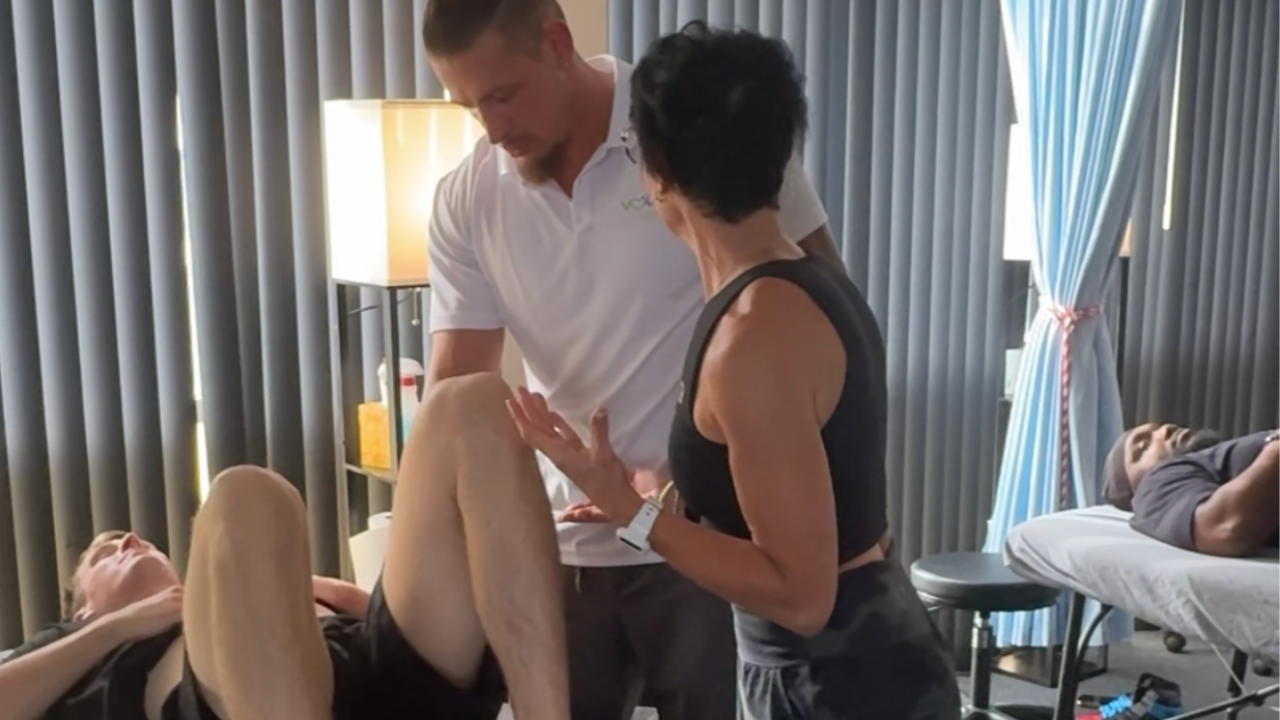
You finished the session. Your client feels great. And you're exhausted.
Not the satisfying kind of tired that comes from a full day of purposeful work. The depleted kind. The kind that makes you wonder how long you can actually keep doing this.
Most therapists assume this is a fitness problem. They think they need to get stronger, build more endurance, or simply accept that physical fatigue is the price of doing bodywork. But in the majority of cases, that assumption is wrong.
The fatigue isn't coming from the work. It's coming from the lack of structure around the work.
What Unstructured Sessions Actually Cost You
When a session doesn't have a clear framework, you make hundreds of small decisions in real time. Where to go next. How long to spend on each area. How to transition from one technique to another. What to prioritize when time is running short.
Every one of those decisions costs you something: mentally and physically. You compensate with effort where you should be applying precision. You hold positions longer than necessary because you haven't decided what comes next. You rush through transitions awkwardly because the sequence isn't planned.
The session gets done. But you paid more for it than you needed to.
Structure Isn't Rigidity, It's Efficiency
A lot of therapists resist the idea of session structure because they associate it with being inflexible; like following a script that doesn't account for what the client actually needs that day. That's not what structure means.
A structured session has a clear framework that guides decisions without making them for you. You know how you're opening the session. You know how you're transitioning between areas. You know how you're closing. Within that framework, you still have complete clinical freedom to respond to what you find.
What changes is that you're no longer spending physical and mental energy on the logistics of the session while you're in the middle of it. That energy goes back to the client and back to you.
The Physical Reality of Poor Sequencing
When session flow is disorganized, your body absorbs the consequences in specific ways:
- Unnecessary position changes add cumulative strain across a full day of sessions
- Awkward transitions force compensatory movements that load the wrong joints
- Time pressure in disorganized sessions leads to rushed mechanics, which increases injury risk
- Decision fatigue midway through a session reduces the quality of your clinical thinking when it matters most
None of these are dramatic on their own. But repeated across five, seven, ten sessions a day, they compound. By the end of the week, you're not tired from the work, you're tired from the inefficiency.
What a Structured Session Actually Looks Like
A well-structured session has three clear phases: an opening that assesses and prepares the tissue, a working phase that applies technique with intentional sequencing, and a closing that integrates and transitions the client out. Each phase has a purpose. Each transition is deliberate.
Within that framework, your clinical reasoning drives every decision. But the framework itself is not up for debate in the middle of a session. It's already decided. That's the point.
When therapists build this kind of structure into their practice, the most consistent thing they report isn't better client outcomes, though those improve too. It's that they end the day with more left in the tank. Not because they worked less hard. Because they stopped wasting energy on things that shouldn't cost them anything.
The Question Worth Asking
At the end of your next session, ask yourself honestly: how much of that effort went into the work — and how much went into figuring out the work as I went?
If the answer is uncomfortable, that's useful information. It means the fatigue you're carrying isn't the inevitable cost of doing this work. It's a structural problem and structural problems have structural solutions.
You don't need to get fitter. You need a better framework.
Ready to build more structure into your sessions?
The Stretch Lady Method™ teaches bodywork professionals how to create repeatable session frameworks that protect their bodies and improve client outcomes. Explore training options and free resources at The Stretch Lady.
You don’t have to figure this out alone.
Start with Aly’s free guide: 5 Steps to Building a Sustainable Practice.
Looking for a more sustainable way to work?
Join Pro Insider Weekly for reflections, education, and tools designed to support long-term careers in bodywork..
We hate SPAM. We will never sell your information, for any reason.